
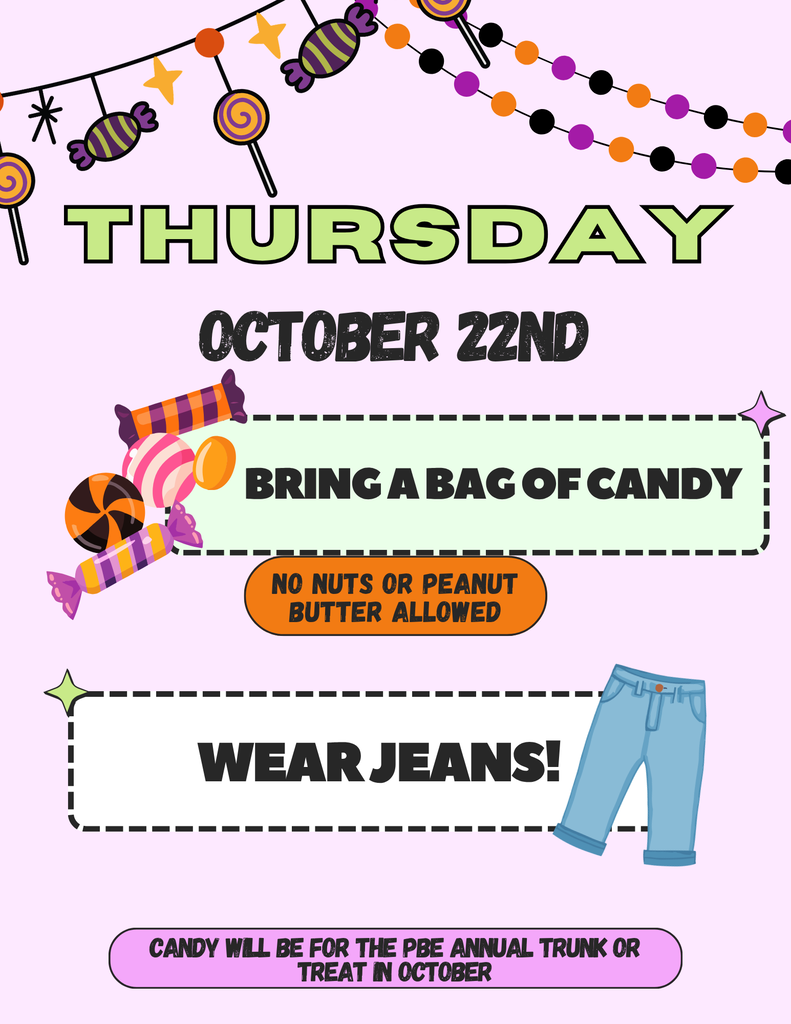
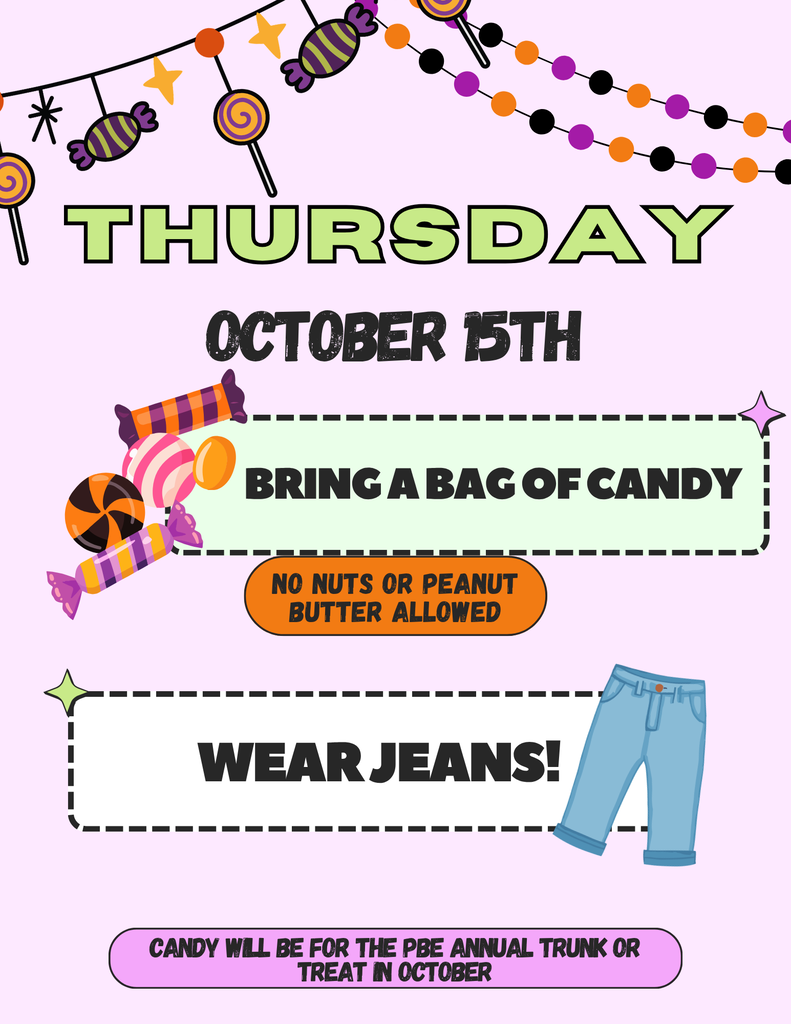
Donate a bag of candy to your homeroom teacher and earn a **FREE Jeans Day**!
Thanks for helping make our PBES Trunk or Treat awesome!

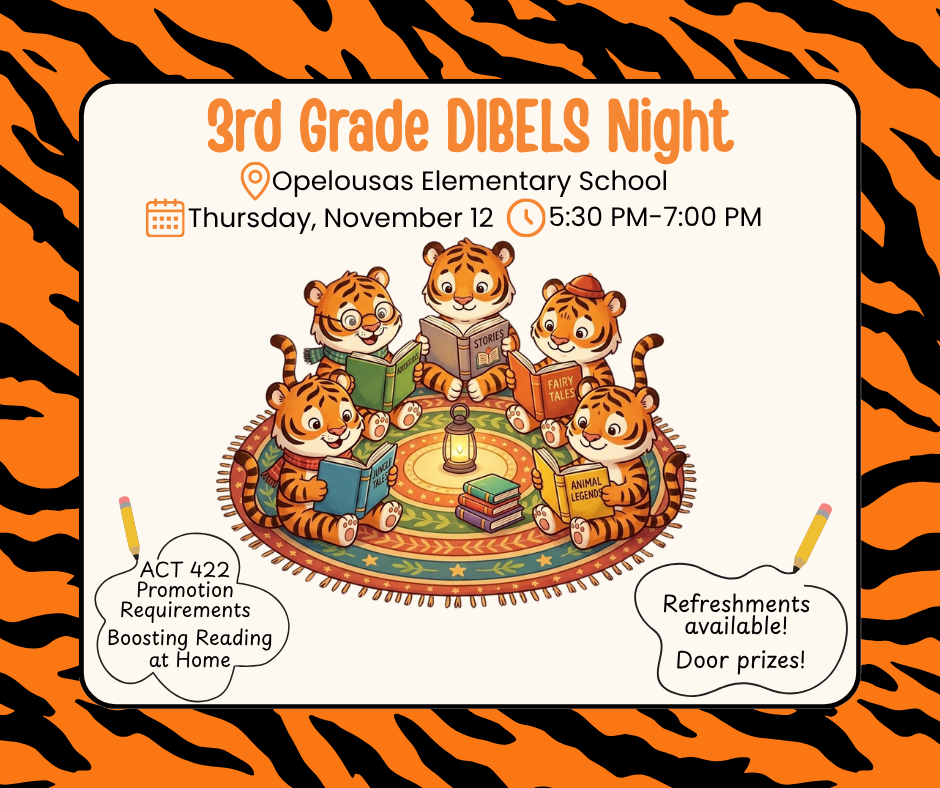
Join us for 3rd Grade DIBELS Night on Thursday, November 12th from 5:30 PM to 7:00 PM at Opelousas Elementary School!
Learn valuable tips on boosting reading at home and important information regarding Act 422 promotion requirements. Plus, enjoy refreshments and a chance to win door prizes!
🇪🇸 ¡Atención familias de 3er grado! 🐅
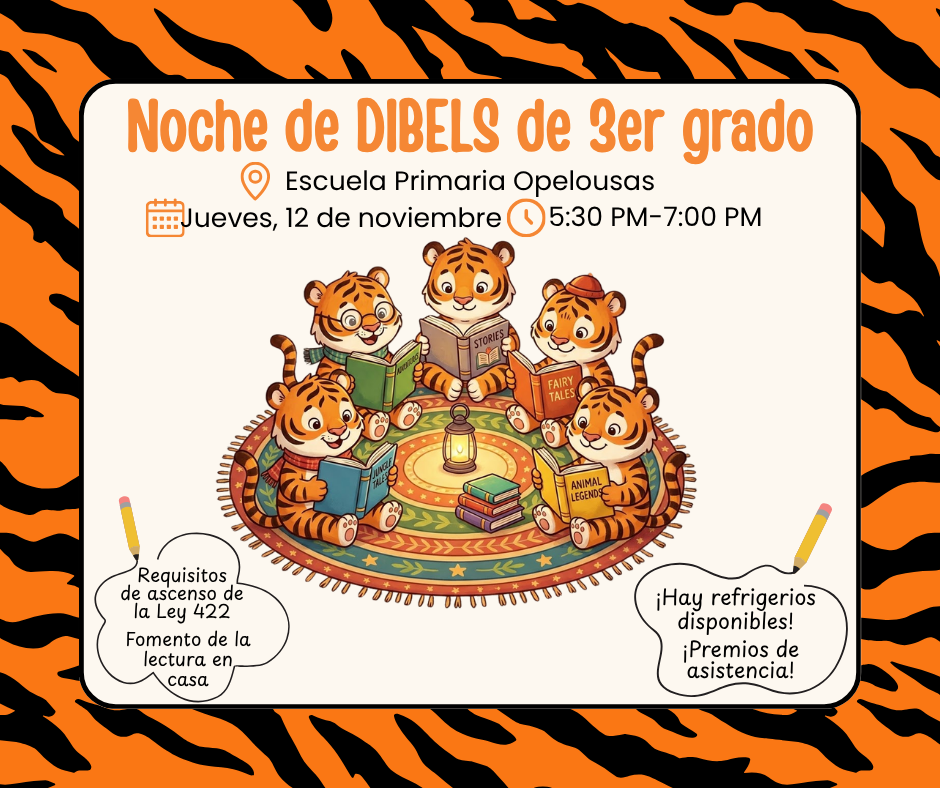
¡Acompáñenos en la Noche de DIBELS de 3er grado el jueves, 12 de noviembre de 5:30 PM a 7:00 PM en la Escuela Primaria Opelousas!
Aprenda consejos útiles para el fomento de la lectura en casa e información sobre los requisitos de ascenso de la Ley 422. ¡Habrá refrigerios disponibles y premios de asistencia!
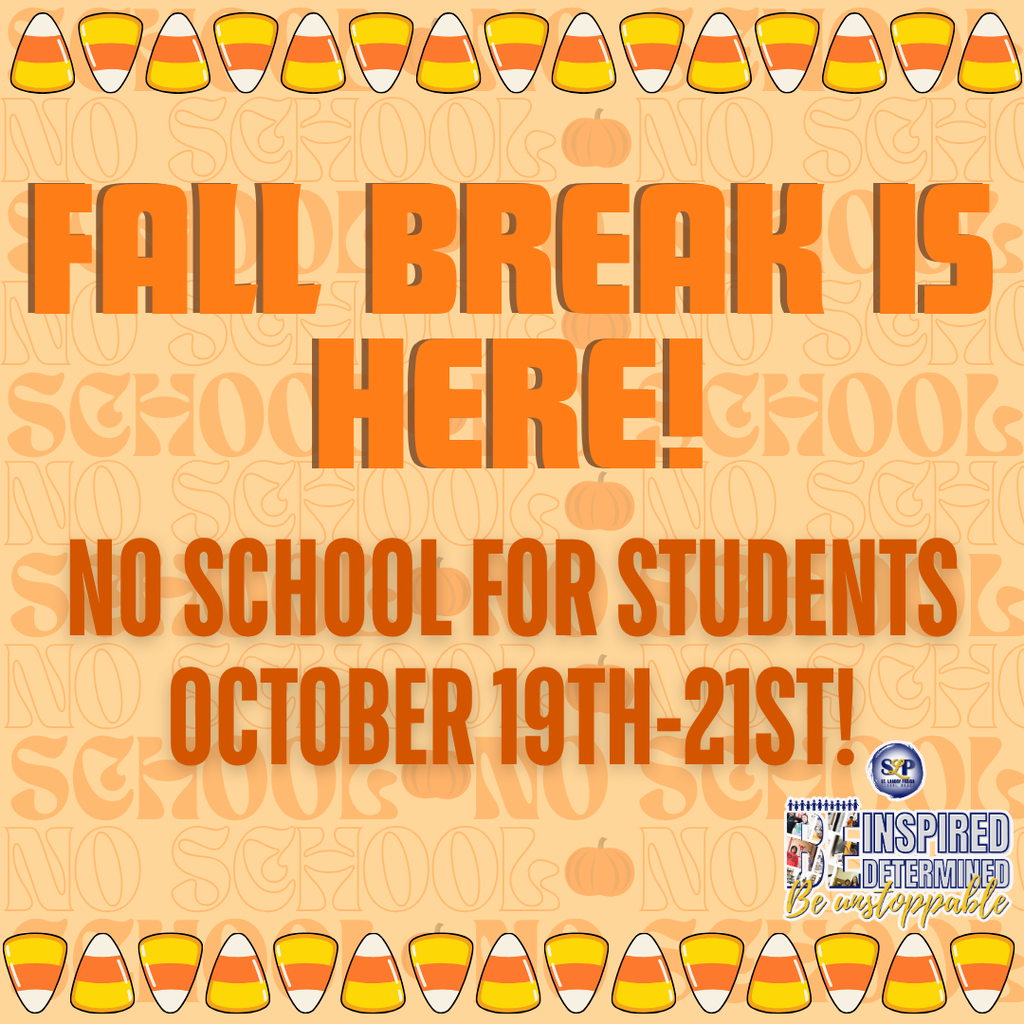
Parents and Guardians, just a friendly reminder that St. Landry Parish students will not have school from Monday, October 19th through Wednesday, October 21st for Fall Break.
We hope all of our students enjoy this well deserved time to rest, recharge, and get ready to return to school Inspired, Determined, and Unstoppable! 🧡
#FallBreak #StLandryParish #SLP #NoSchool #InspiredDeterminedUnstoppable #StudentSuccess
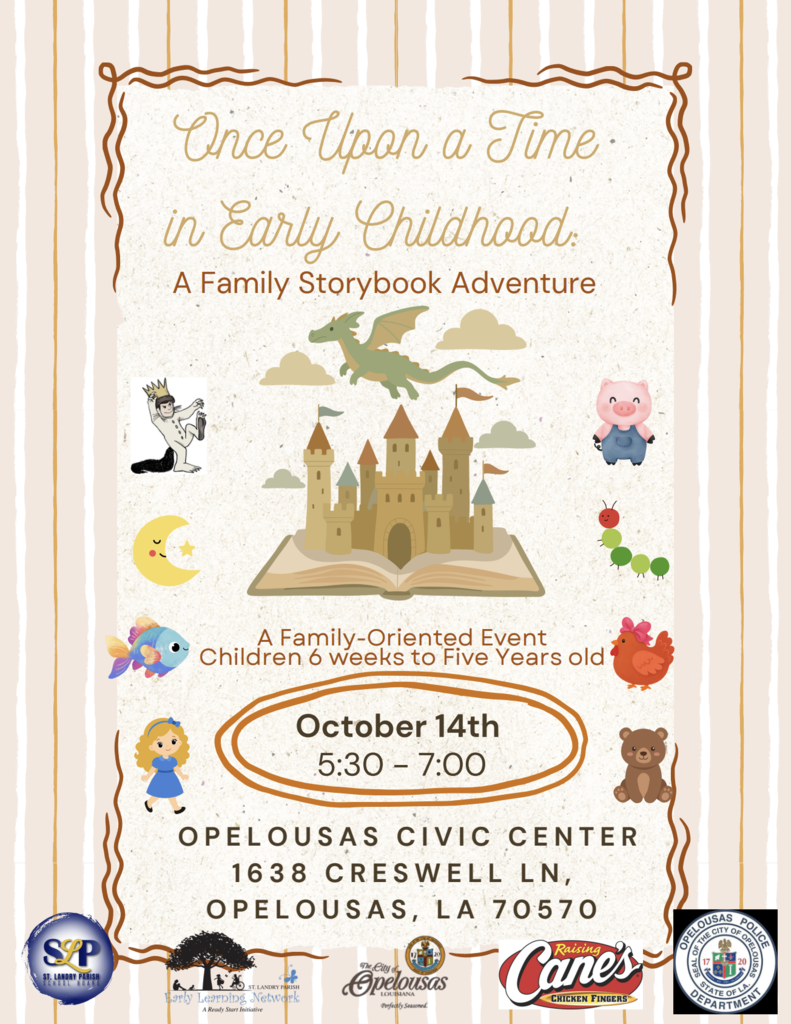
Get ready for a magical evening at "Once Upon a Time in Early Childhood: A Family Storybook Adventure"! Pack up the kiddos and join us tonight for stories, activities, and community fun! 🏰🐉✨
⏰ Time: Tonight, 5:30 PM – 7:00 PM
📍 Where: Opelousas Civic Center (1638 Creswell Ln, Opelousas, LA 70570)
👶 Who: Little ones 6 weeks to 5 years old & their families!
Special thanks to our hosts at the St. Landry Parish Early Learning Network and all our amazing sponsors for making tonight possible!
See you all in a few hours! ❤️
#HappeningToday #OnceUponATime #StLandryParish #OpelousasEvents #EarlyLearning #FamilyFun #OpelousasLA
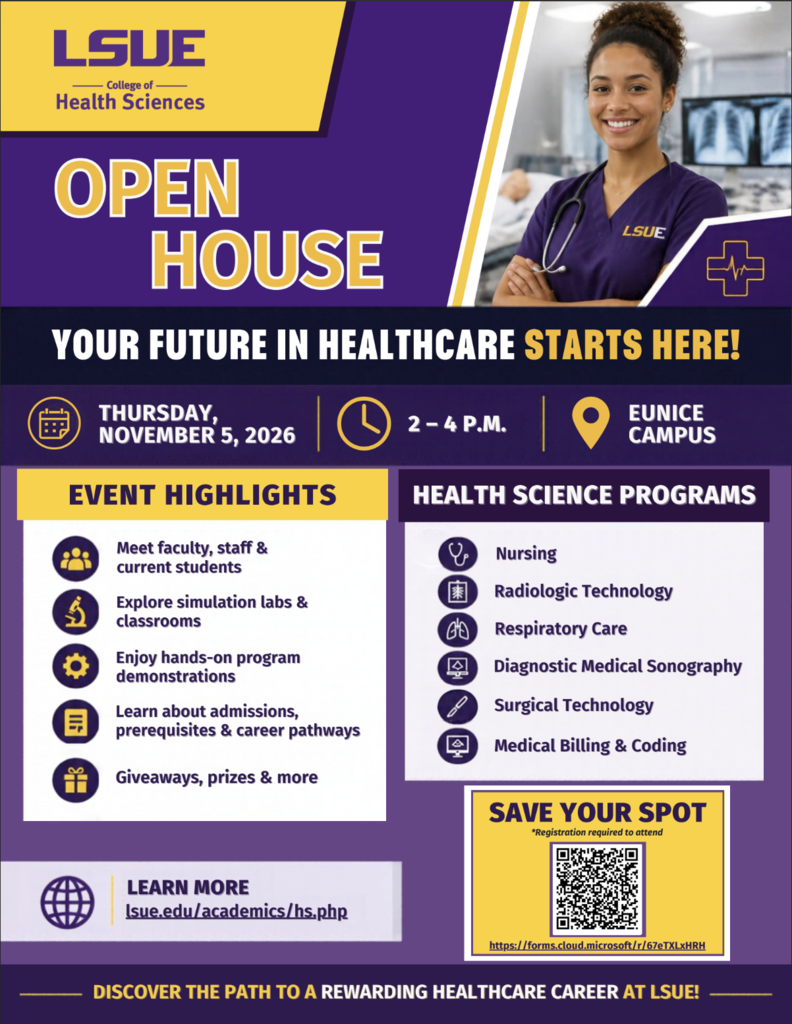
The LSUE College of Health Sciences is hosting our Health Sciences Open House! Whether you are a prospective student, parent, or educator looking to bring a group, come explore what LSUE has to offer.
🗓 Date: Thursday, November 5, 2026 ⏰ Time: 2:00 PM – 4:00 PM 📍 Location: LSUE Eunice Campus
What to expect: • Meet faculty, staff, and current students, Explore simulation labs and classrooms, Enjoy hands on program demonstrations, Learn about Nursing, Radiologic Tech, Respiratory Care, Sonography, Surgical Tech, and Medical Billing & Coding pathways, Giveaways, prizes, and more!
⚠️ Registration is required to attend. Groups and school counselors are welcome, but all students must register individually.
📲 Save your spot today: https://forms.cloud.microsoft/r/67eTXLxHRH
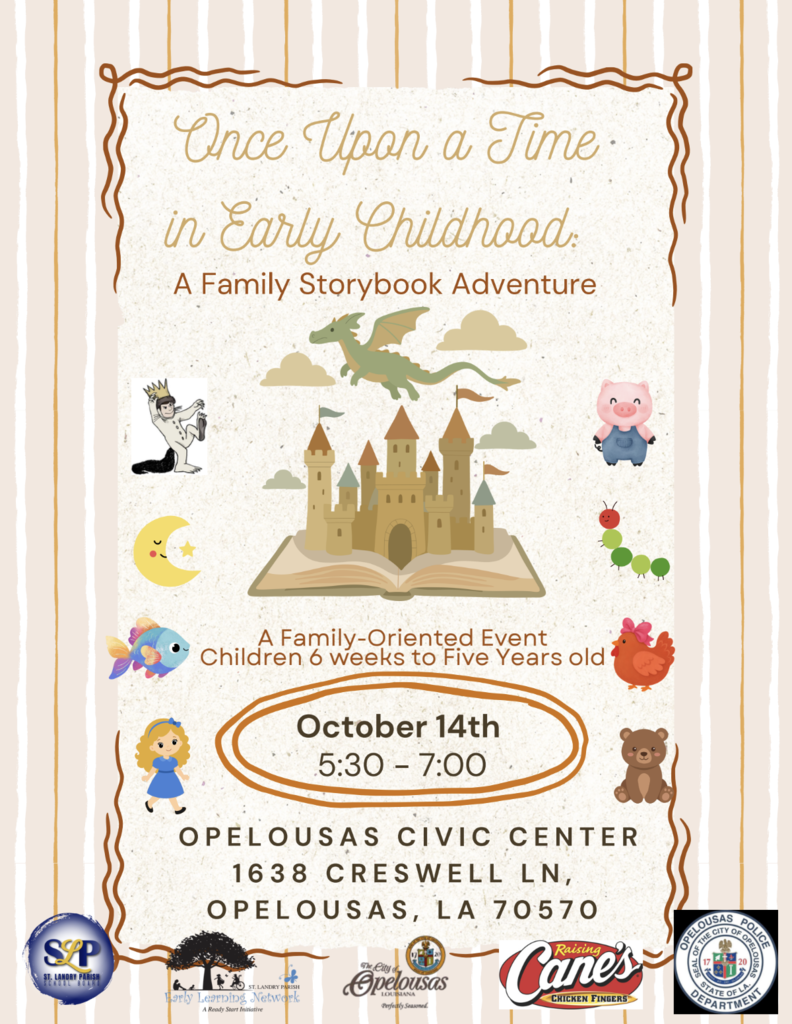
Step into a world of magic, learning, and fun at "Once Upon a Time in Early Childhood: A Family Storybook Adventure"! Hosted by the St. Landry Parish Early Learning Network and our wonderful community partners, this family-oriented event is filled with fun activities for your little ones. 🐉📖
📅 Date: Tomorrow, Wednesday, October 14th
⏰ Time: 5:30 PM – 7:00 PM
📍 Location: Opelousas Civic Center (1638 Creswell Ln, Opelousas, LA 70570)
👶 Ages: Children 6 weeks to 5 years old and their families!
Bring the whole family out for an evening packed with storybook adventures, crafts, games, and community connection! We can't wait to see you there! ❤️✨
#OnceUponATime #StLandryParish #EarlyChildhood #OpelousasEvents #FamilyFun #StorybookAdventure #ReadyStart
https://stores.inksoft.com/port_barre_elementary_26-27/shop/home
Thank you so much for your continuous love and support! Let’s make this fundraiser a huge success!

Donate a bag of candy to your homeroom teacher and earn a **FREE Jeans Day**!
Thanks for helping make our PBES Trunk or Treat awesome!
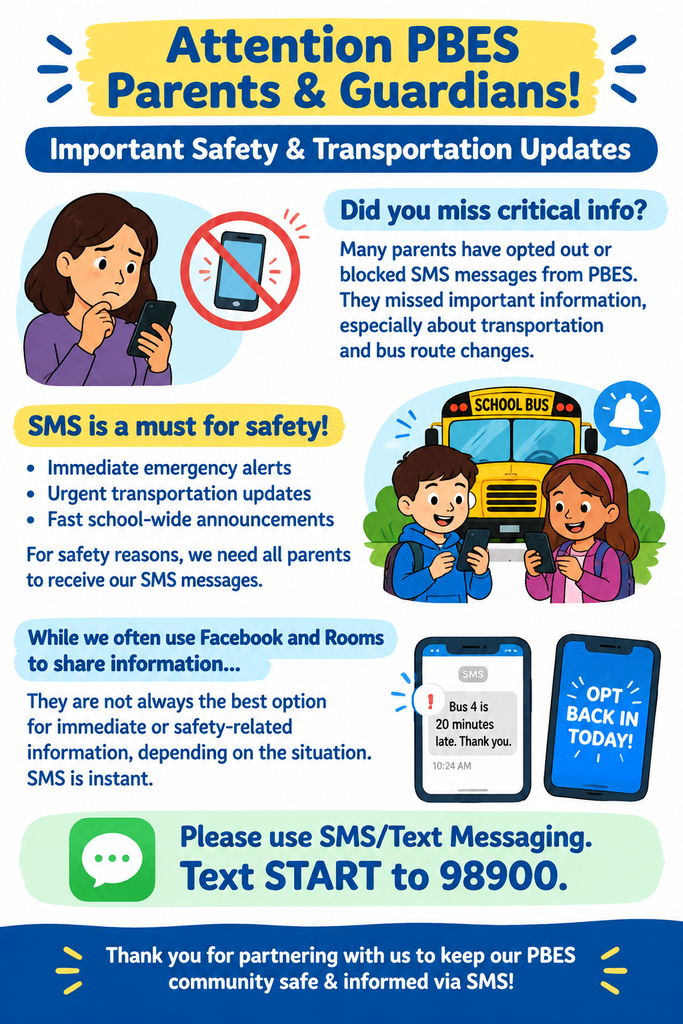
📱 Missing Text Updates from PBES? Let’s Get You Reconnected! 📱
If you aren't currently receiving SMS text messages from us, you might be missing out on important school news, event reminders, and timely safety updates!
Check out the flyer below ⬇️ for quick, step-by-step instructions on how to opt in and update your messaging preferences.
Why opt in?
🚨 Emergency alerts & schedule updates
🗓️ Reminders for upcoming school events
📚 Important academic notifications
Don't miss a beat with everything happening at PBES—take a moment to reconnect today! 🏫✨
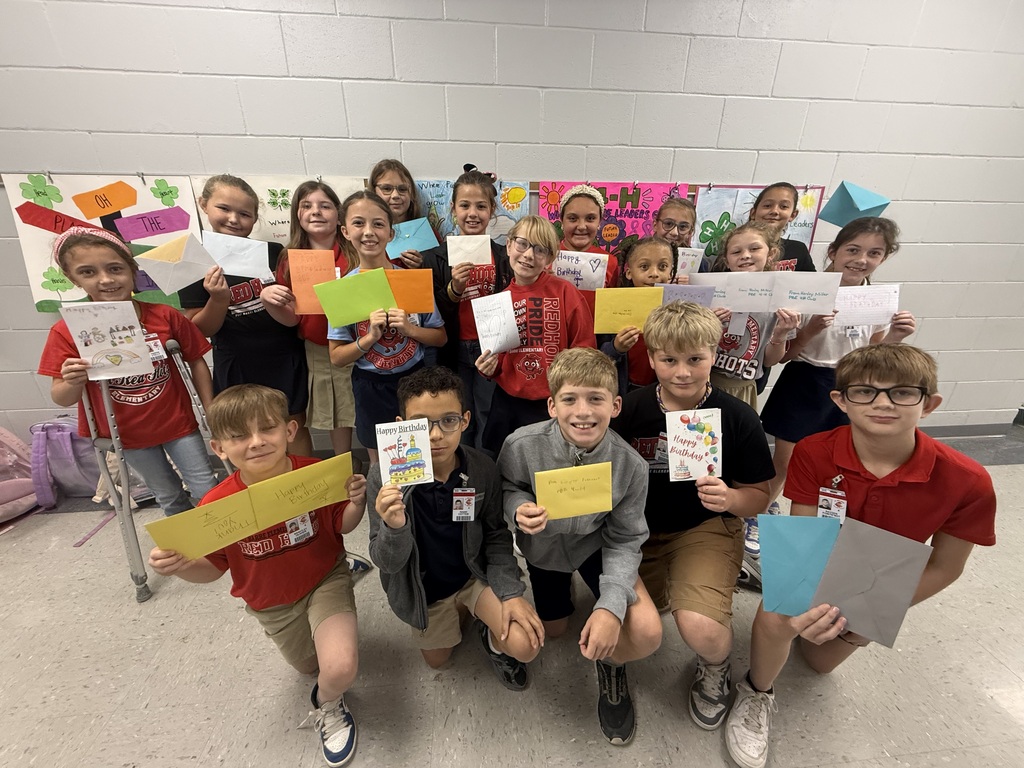
Today we’re giving back to our community by making birthday cards for residents in local nursing homes. 🎂💌 Our students are spreading a little kindness and helping make someone’s birthday extra special! 💚
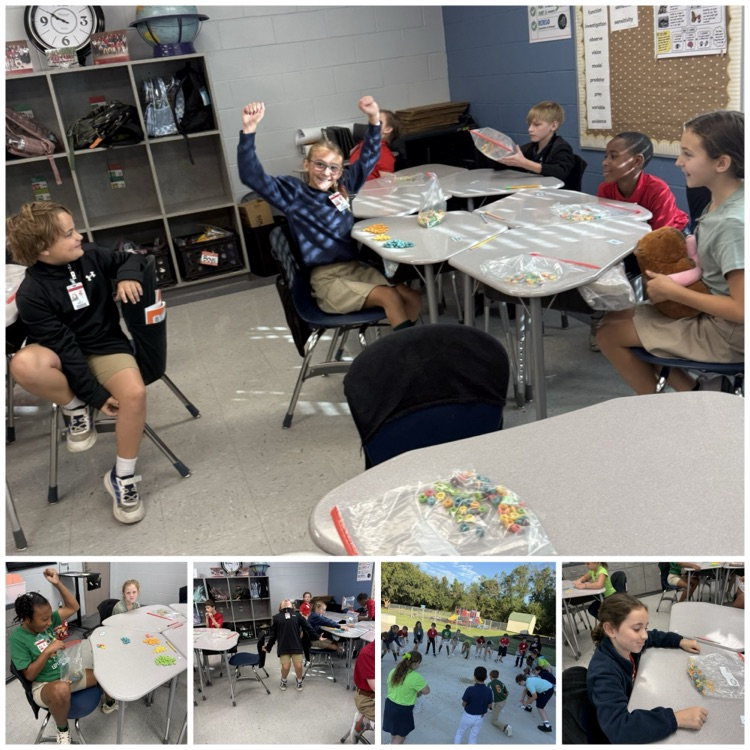
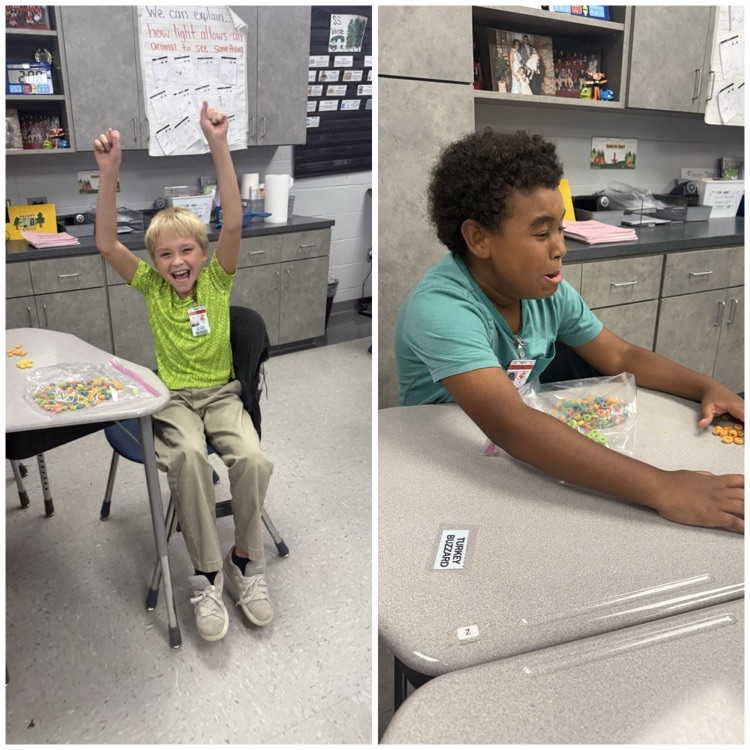
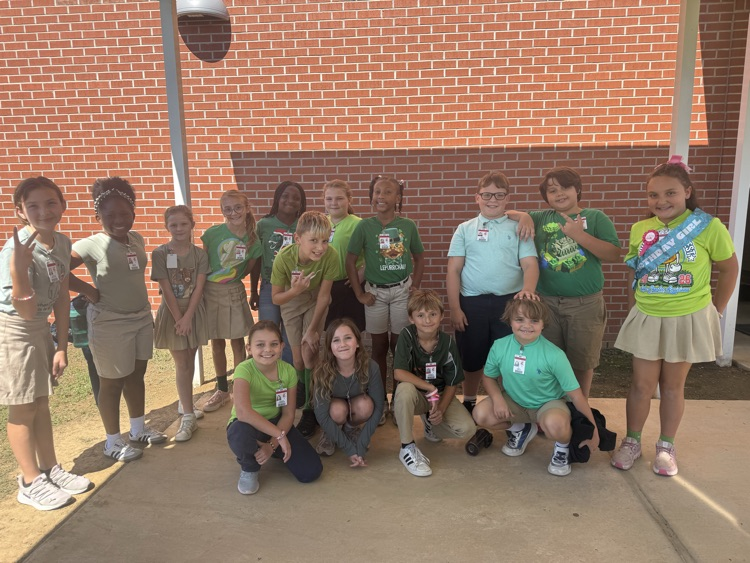
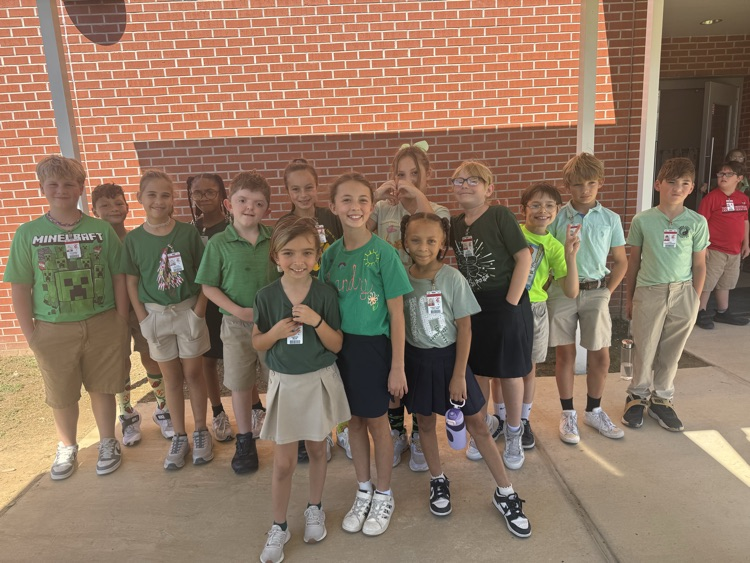
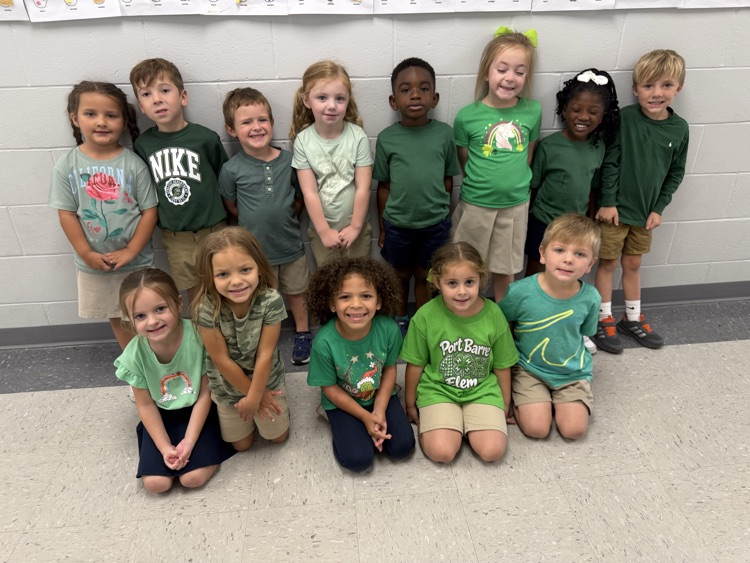
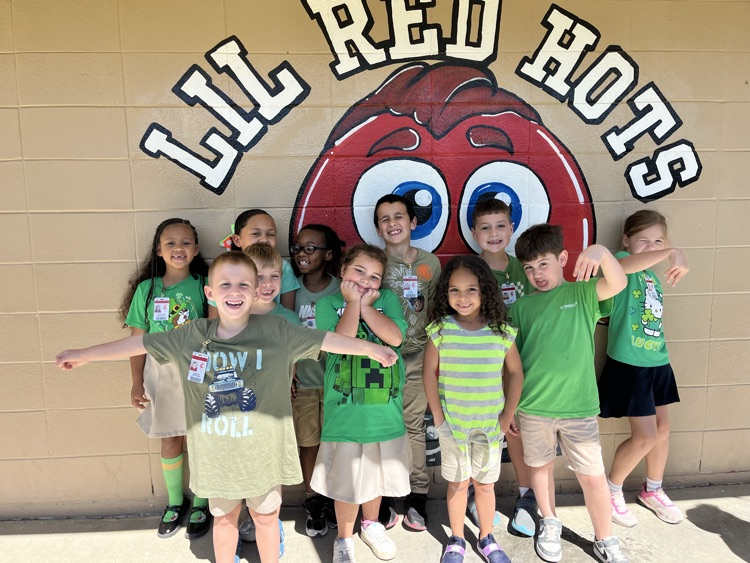
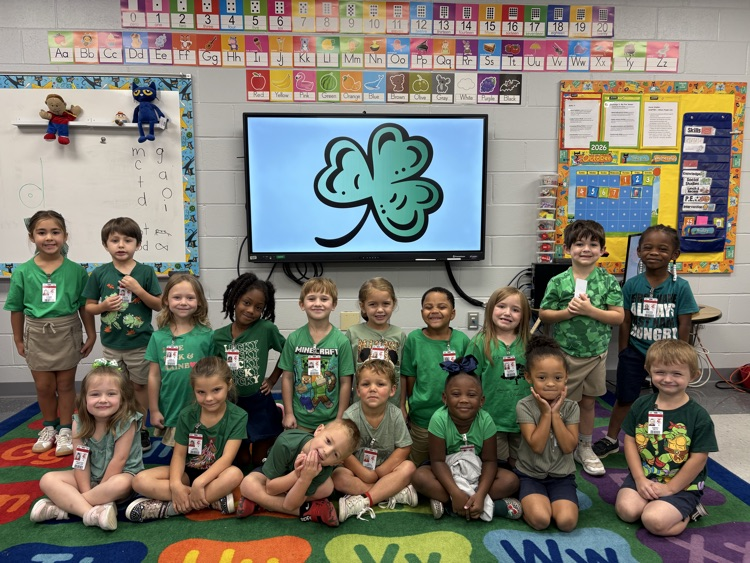
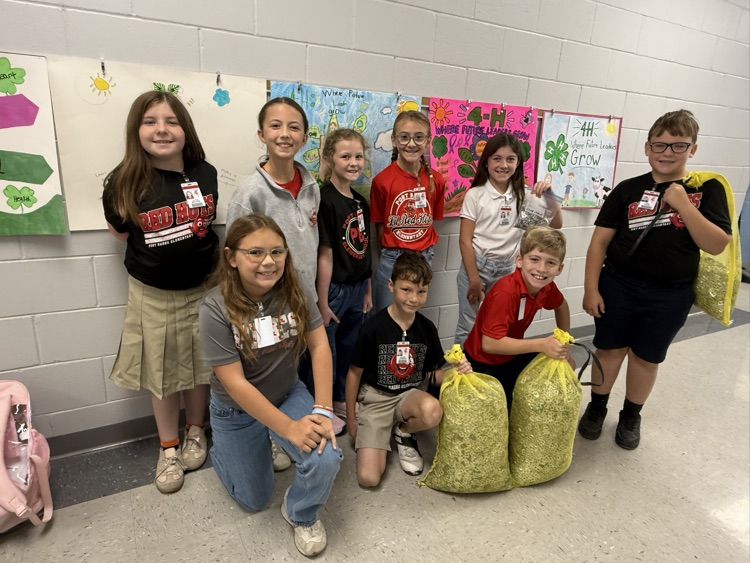
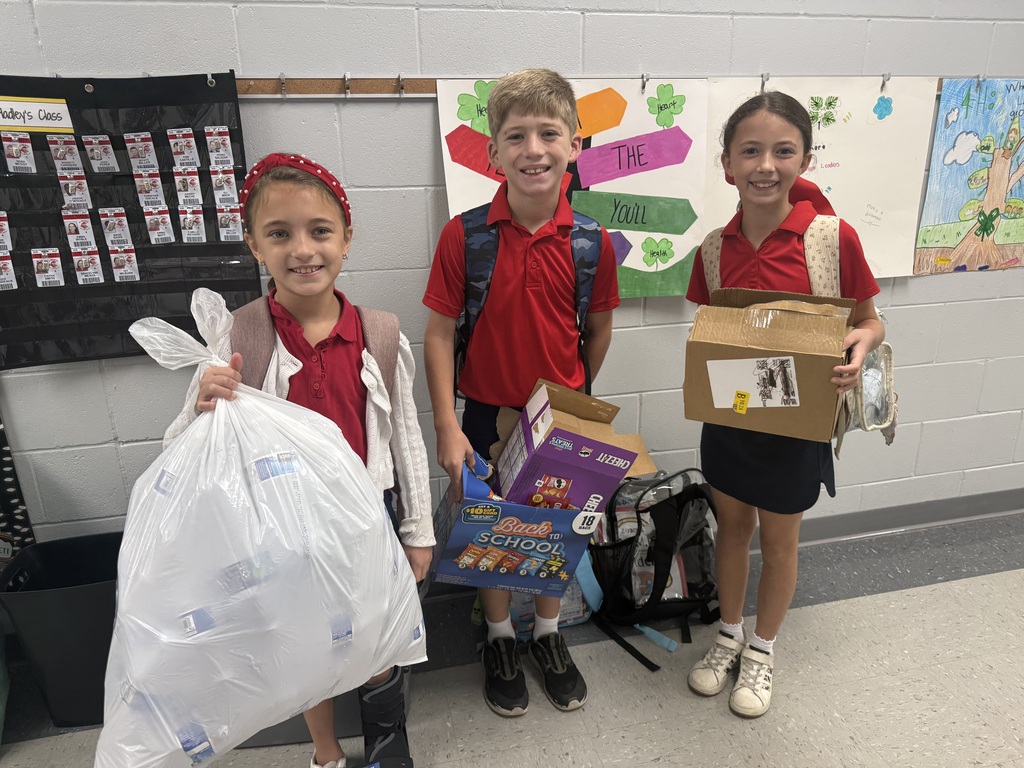
Day 2 of 4-H Week!
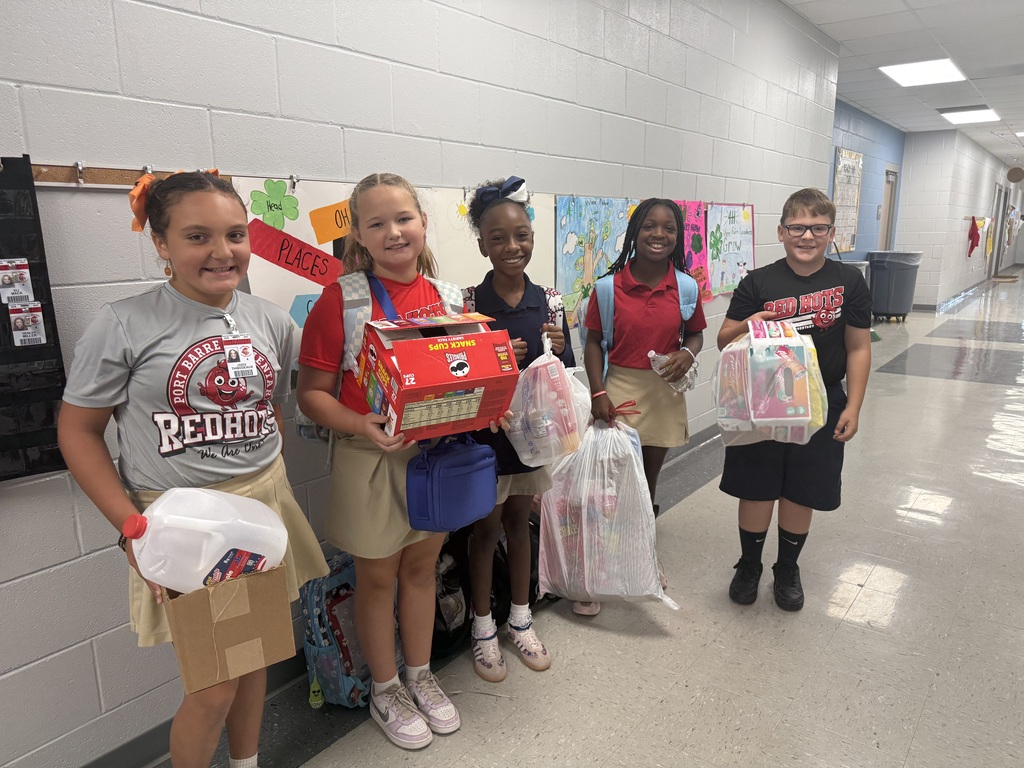
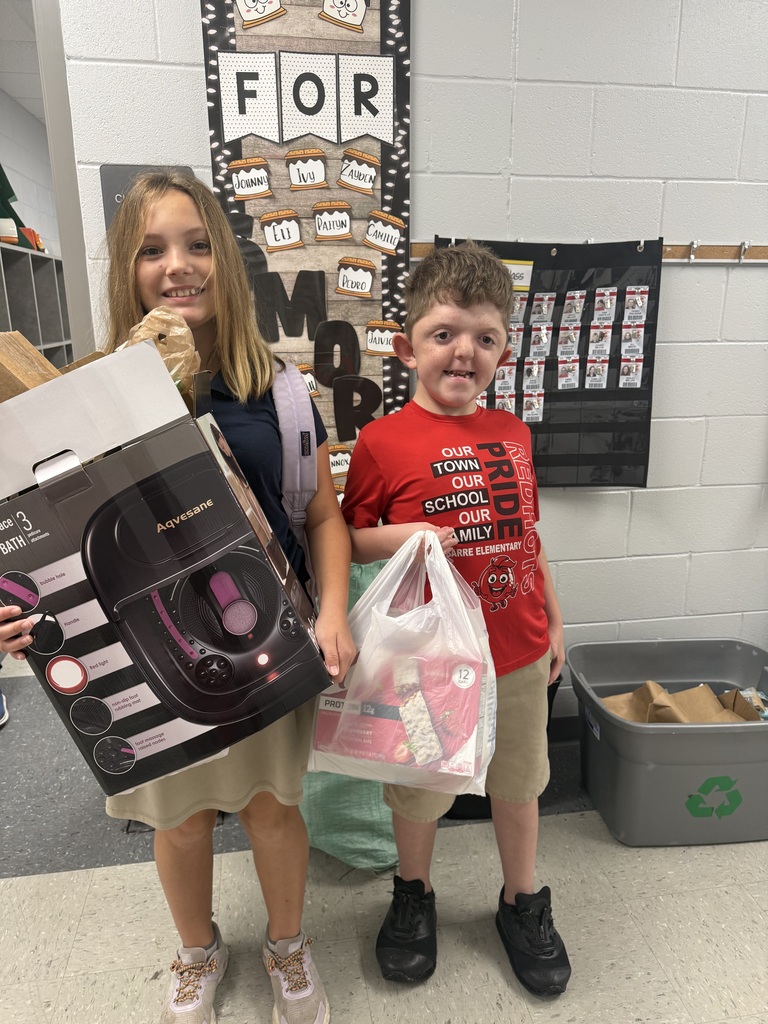
Our 4-H members are kicking off our recycling program by bringing recyclable items from home! We’re excited to see our students helping make a difference and learning how small actions can have a big impact!
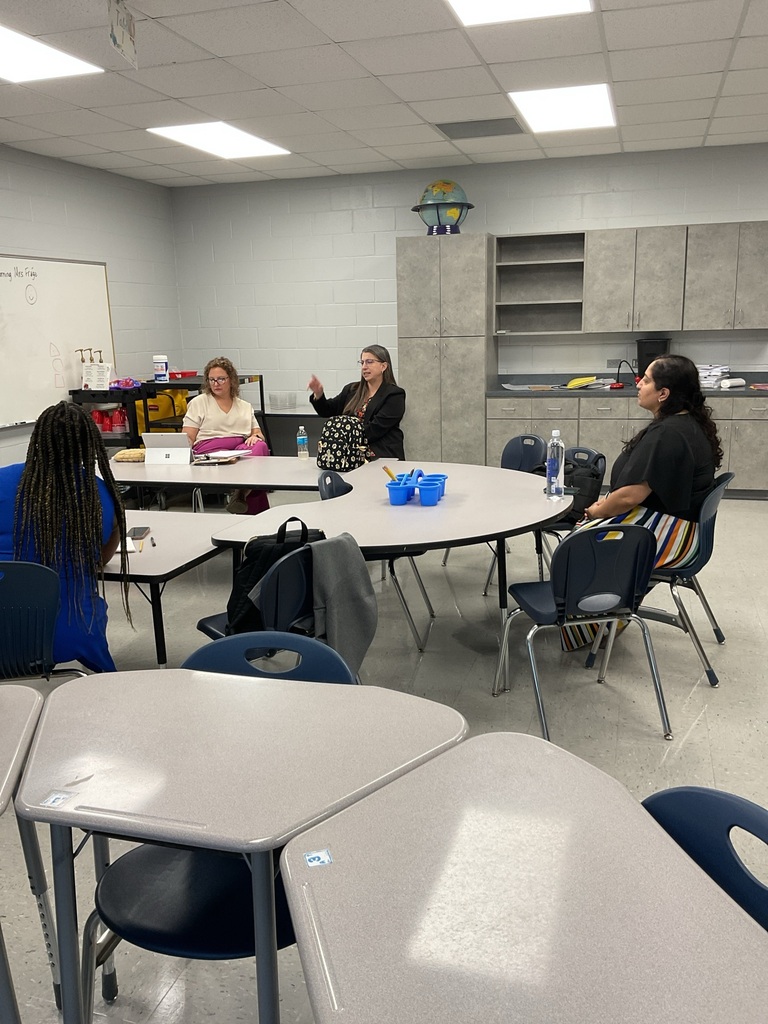
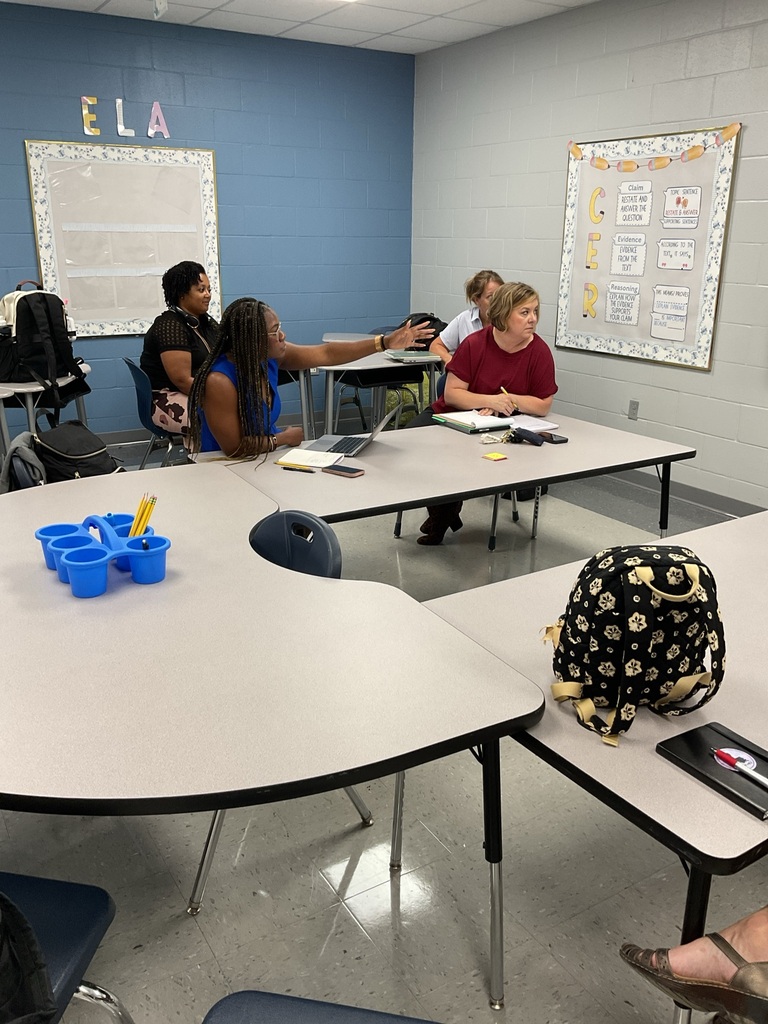
A huge thank you to Ms. Low and Mrs. Hargroder for such a warm and friendly welcome. We love seeing our educators collaborate and work hard to support student success in math! 📊👏
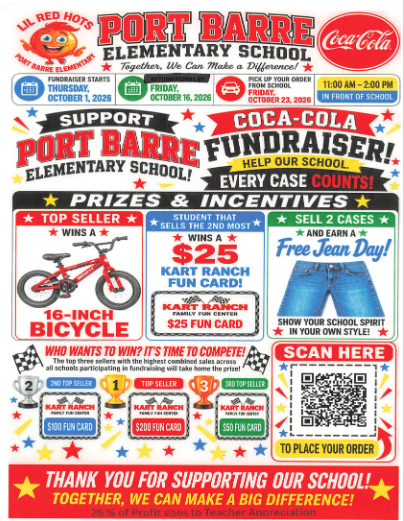
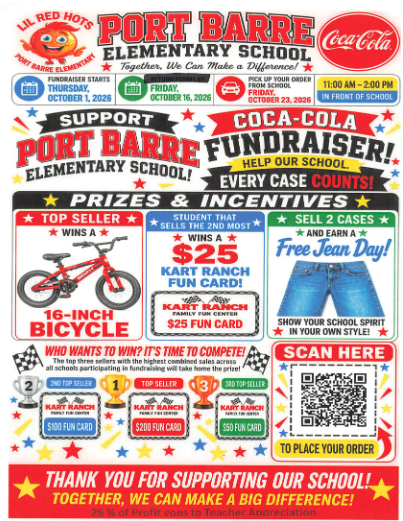
Let's keep the Fizz Going with our Port Barre Elementary Coke Fundraiser🥤!
Help us to reach our goal! Thank you to everyone who has placed their Coke Fundraiser orders so far. Let's keep the momentum going!
This is a great way to stock up for your holiday parties while helping Port Barre Elementary fundraising efforts for: School Resources 📚 and Staff Appreciation (25% of proceeds!) ❤️
Order Due by: October 16
Pick Up: October 23, 11:00 AM - 2:00 PM
Thank you for your incredible support!
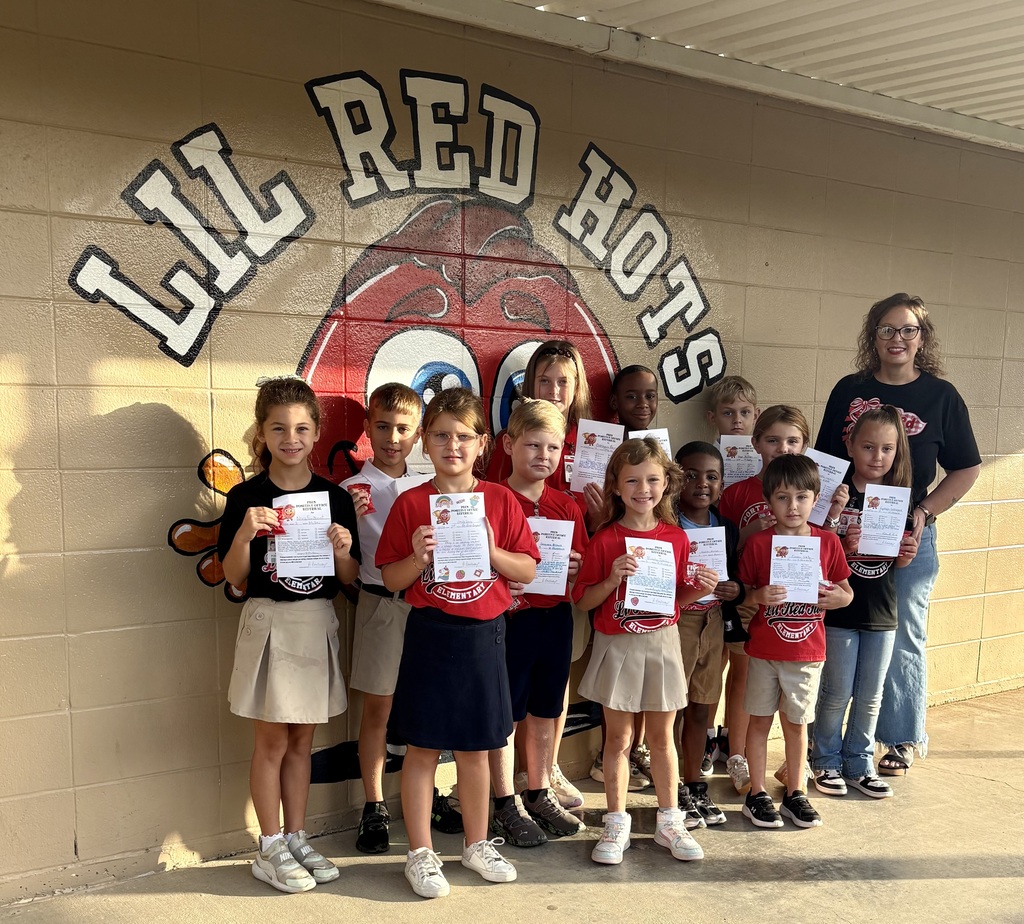
Congratulations to our PBES Positive Office Referrals for 10/2/26! Great work Lil Red Hots!
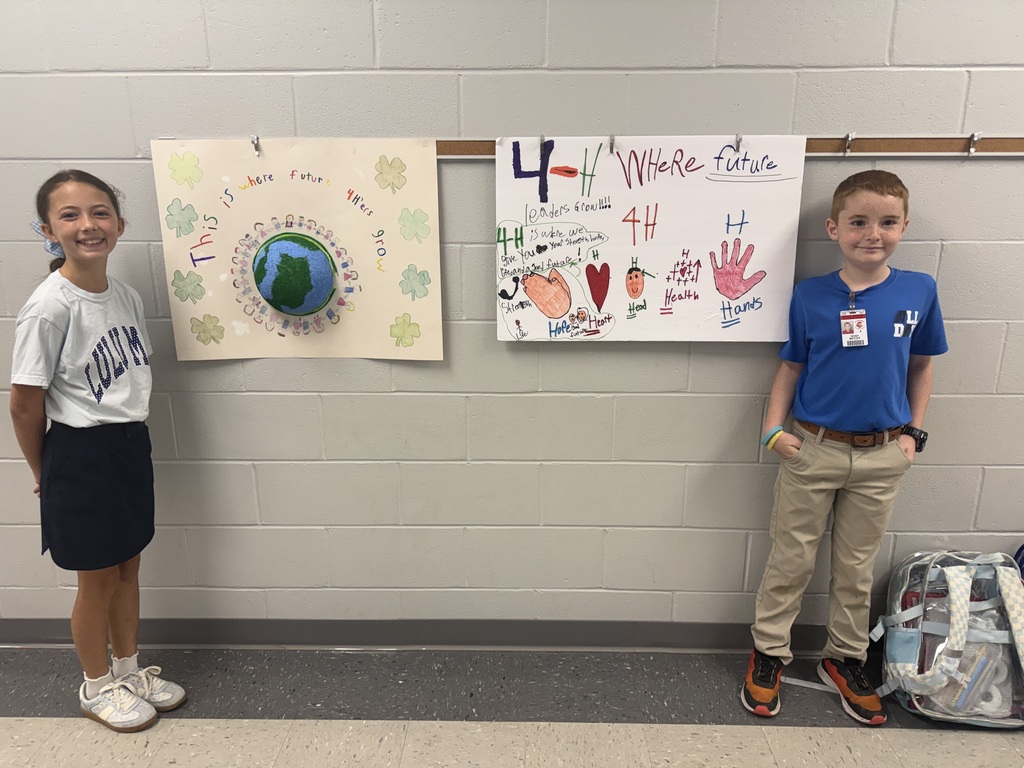
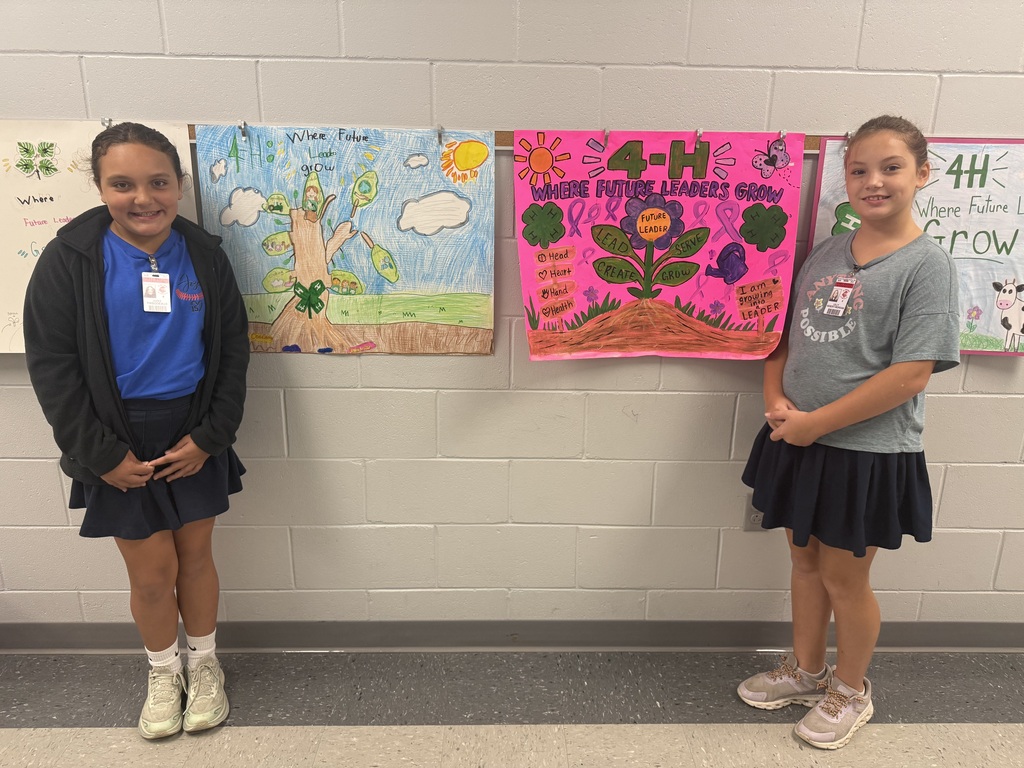
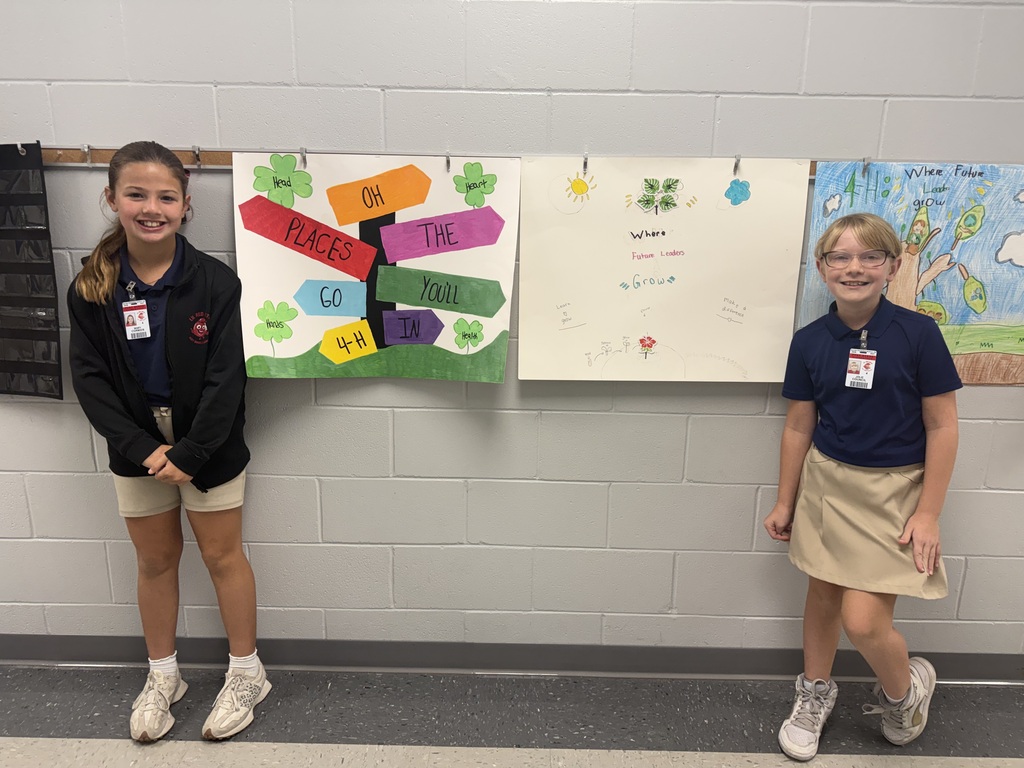
Our 4-H members are celebrating by decorating our school with this year’s theme, “Where Future Leaders Grow!” 🌱⭐️
They worked hard creating and hanging posters to help spread the 4-H spirit throughout our school! 💚🐄🌾
We are so proud of our future leaders! 💚